

Choosing between high-speed steel (HSS) and Cobalt end mills affects everything from tool life to machining performance. These two materials are closely related, but they perform differently once heat, material hardness, and production demands increase.
Travers Tool stocks both HSS and Cobalt cutting tools, including end mills from trusted brands, giving you options that match your machine capabilities, workpiece materials, and production requirements. This guide breaks down the key differences so you can make confident tooling decisions.
Key Takeaways: What Is the Difference Between HSS and Cobalt End Mills
- HSS end mills cost less upfront and offer strong toughness, making them well suited for manual machines, lighter cuts, and general-purpose milling.
- Cobalt end mills handle higher heat better than standard HSS and typically deliver longer tool life in tougher materials.
- The main difference comes from cobalt's improved red hardness, which helps the tool hold its edge at elevated cutting temperatures.
- HSS often works well for softer materials and lower-speed machining, while cobalt is a stronger choice for stainless steel, alloy steels, and more demanding production work.
- Travers Tool offers both HSS and Cobalt end mills from trusted brands, along with free technical support for application guidance.
What Makes HSS and Cobalt End Mills Different?
The core difference comes down to material composition and heat resistance. HSS end mills are made from high-speed steel alloys containing elements such as tungsten, molybdenum, chromium, and vanadium. This combination gives the tool a good balance of hardness, toughness, and affordability.
Cobalt end mills are also part of the high-speed steel family, but they include added cobalt to improve hot hardness. That added cobalt helps the cutting edge stay harder at elevated temperatures, which improves wear resistance and tool life in more demanding machining conditions.
How Do Cutting Speeds Compare Between HSS and Cobalt?
Cobalt end mills can generally run at higher speeds than standard HSS because they retain hardness better as heat builds during cutting. HSS performs well at moderate surface speeds, while cobalt is better suited for applications where higher temperature resistance is needed.
This does not mean cobalt always replaces carbide in high-speed machining, but it does offer a performance advantage over standard HSS. If your machine, material, and setup generate more heat, cobalt usually provides more stable edge retention and longer useful life.
When Should You Choose HSS End Mills?
HSS end mills remain a practical choice for many machining situations. Their toughness makes them forgiving in less-rigid setups, and their lower cost makes them attractive for everyday milling work. 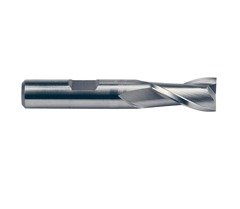
Consider HSS end mills for these applications:
- Aluminum, brass, plastics, and low-carbon steels
- General-purpose milling on manual or less rigid machines
- Shorter runs or lower-volume work where minimizing upfront tooling cost is the priority
- Applications where toughness and forgiving performance matter more than heat resistance
When Does Cobalt Make More Sense?
Cobalt end mills become the smarter choice when heat, wear, and material difficulty start pushing beyond what standard HSS handles efficiently. They offer a useful step up in performance without moving directly to carbide. 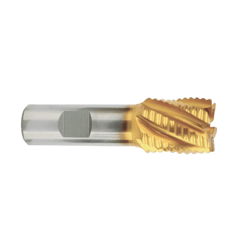
Choose Cobalt end mills when machining:
- Hardened steels and tool steels above Rc 45
- Stainless steel, which work-hardens and wears HSS quickly
- Cast iron and abrasive materials that destroy HSS cutting edges
- Production runs where tool changes cost time and money
- High-speed applications on rigid CNC machines with adequate spindle power
How Does Tool Life Compare in Real-World Use?
Cobalt end mills typically last longer than HSS end mills in tougher applications because they resist heat-related edge breakdown more effectively. In materials that generate higher cutting temperatures, standard HSS may soften faster and lose its cutting edge sooner.
A standard HSS end mill usually costs less than a comparable cobalt tool. However, if cobalt lasts longer and performs more consistently in your application, the higher upfront cost may be offset by lower downtime and fewer replacements. For short runs and less demanding work, HSS often remains the most economical choice. For repeated work in tougher materials, cobalt may provide better overall value.
What About Cost Per Part?
Initial tool price only tells part of the story. Total cost per part includes tool cost, change time, downtime, and how long the tool stays productive.
A typical HSS end mill might cost less than a comparable cobalt tool. However, if that cobalt tool produces significantly more parts before replacement, the cost per part drops accordingly.
CAN YOU RESHARPEN BOTH HSS AND COBALT END MILLS?
Both HSS and Cobalt end mills can be resharpened to restore cutting performance. Because cobalt tools are still part of the high-speed steel family, they are generally more straightforward to resharpen than carbide tools.
That makes both materials attractive for shops focused on extending tool life and controlling tooling costs. Travers Tool supports machine shops with dependable tooling options for a wide range of milling applications.
How Do Machine Requirements Differ?
Your machine's capabilities still matter when choosing between HSS and cobalt. HSS works well on manual mills and lighter-duty machines because it is forgiving and performs reliably at moderate speeds.
Cobalt does not require the same level of rigidity as carbide, but it delivers the most benefit when the machine can support stable cutting conditions and higher temperatures. If your shop machines harder materials on equipment with solid rigidity, cobalt often offers a worthwhile performance upgrade over standard HSS.
What Role Does Coolant Play? 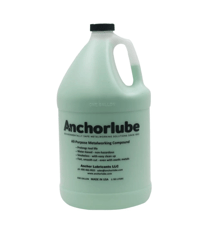
Coolant helps both HSS and cobalt tools by controlling heat and improving chip evacuation. As temperatures rise, cobalt's heat resistance becomes more valuable because it holds edge strength better than standard HSS.
In lighter-duty milling, HSS may perform well with conventional coolant strategies and moderate parameters. In hotter applications, cobalt can provide more reliable results when paired with proper coolant delivery and sound cutting conditions.
Which Workpiece Materials Favor Each Tool Type?
Material type is one of the best guides for tool selection. HSS is often a strong choice for aluminum, brass, plastics, low-carbon steels, and general-purpose milling. Its toughness and lower cost make it practical for a wide range of shop work.
Cobalt is often the better fit for stainless steel, alloy steels, tool steels, and other materials that generate more heat during machining. When edge retention and wear resistance matter more, cobalt usually outperforms standard HSS.
How Do You Decide Between HSS and Cobalt?
Start by evaluating your specific situation. Ask these questions:
- What material are you machining?
- How much heat does the application generate?
- How many parts will you produce with this tool?
- Does your machine have the rigidity for more demanding cuts?
- Are you focused more on lowest upfront cost or longer tool life?
Your answers point toward the right choice. Lower-speed, lower-cost, and general-purpose work often favors HSS. Tougher materials, hotter cuts, and longer runs often point toward cobalt. Travers Tool offers expert technical support to help you work through these decisions for your specific applications.
Making the Right End Mill Choice for Your Shop
The difference between HSS and Cobalt end mills comes down to balancing toughness, heat resistance, tool life, and cost. HSS delivers dependable performance, affordability, and versatility for everyday machining. Cobalt adds improved hot hardness and wear resistance for tougher materials and more demanding conditions.
Neither material is universally better. The right choice depends on your workpiece material, production volume, machine capabilities, and budget. Many shops keep both HSS and Cobalt end mills on hand so they can match the tool to the job.
Travers Tool carries end mills in both materials from trusted brands, backed by free technical support from experienced machinists. Whether you need help selecting the right tool grade or improving milling performance, that expertise helps you make tooling decisions with confidence.
FAQs About HSS vs COBALT End Mills
WHAT IS THE MAIN DIFFERENCE BETWEEN HSS AND COBALT END MILLS?
HSS end mills are made from high-speed steel alloys designed for toughness and general-purpose cutting. Cobalt end mills are a type of high-speed steel with added cobalt, which improves hot hardness and wear resistance. That allows cobalt tools to hold their edge better at higher temperatures.
ARE COBALT END MILLS BETTER THAN HSS?
Cobalt end mills are better in hotter, tougher, and more demanding applications, but they are not automatically better for every job. HSS often remains the smarter choice for softer materials, lower-speed machining, and shops prioritizing lower tooling cost.
CAN I USE COBALT END MILLS ON A MANUAL MILLING MACHINE?
Yes, you can use Cobalt end mills on a manual milling machine. However, the added performance benefit is most noticeable in applications that generate more heat or involve tougher materials. For routine general-purpose work, HSS may still provide better overall value.
HOW MUCH LONGER DO COBALT END MILLS LAST THAN HSS?
Tool life depends on the material, setup, speeds, feeds, and coolant strategy. In many demanding applications, cobalt lasts longer than standard HSS because it resists heat-related wear more effectively. In lighter-duty work, the difference may be much smaller.
WHEN SHOULD I CHOOSE HSS INSTEAD OF COBALT?
Choose HSS when you are machining softer materials, running lower-volume work, using manual or less rigid machines, or when keeping upfront tooling cost low is the main priority. HSS remains a practical and dependable option for many everyday milling applications.